
In dust-filled underground mines, corrosive mist in chemical plants, and extreme high temperatures in steel mills, industrial production demands ultimate ruggedness from power equipment. With their unique technical design and operating characteristics, three-phase asynchronous motors firmly occupy a core position in these harsh environments that most equipment cannot withstand, serving as the “hardcore power” supporting the continuous operation of industrial production.
Why do they outperform other motors in adaptability under extreme conditions such as dust, moisture, corrosion, and high temperatures? This stems from their precise adaptation in structure, protection, performance, and maintenance, making them the top choice for power equipment in harsh environments.
1. Minimalist Structural Design: Resisting Environmental Erosion at the Source
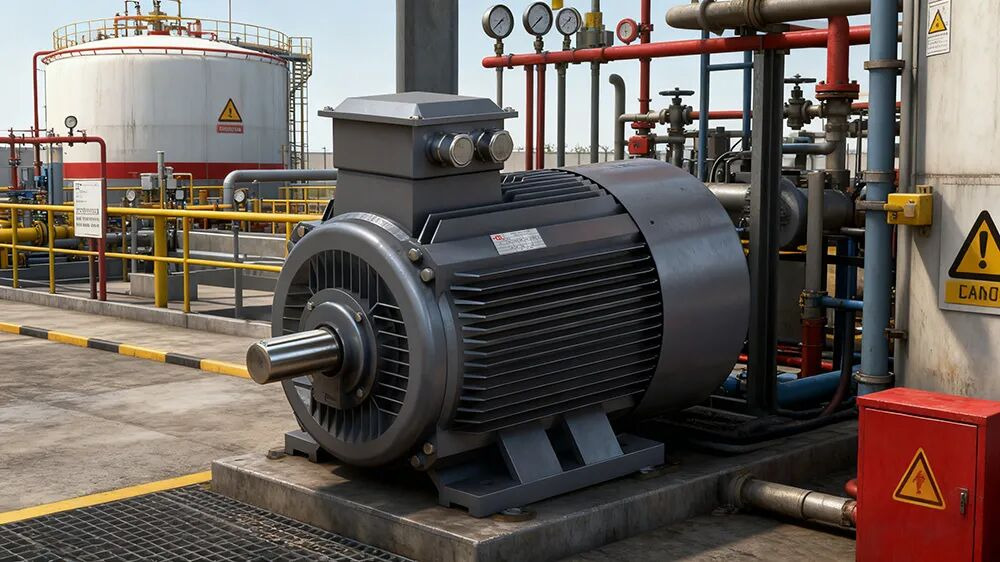
The core advantage of three-phase asynchronous motors lies in their simple structure without brushes or commutators. Unlike DC motors or synchronous motors, they generate a rotating magnetic field by supplying three-phase alternating current to the stator windings, and the rotor rotates via electromagnetic induction. No mechanical contact commutation device is required for the entire power transmission process. This design fundamentally eliminates potential failures: in harsh environments with dust, moisture, and corrosive gases, issues such as dust from brush wear, safety risks caused by commutator sparks, and operational faults due to poor contact are completely avoided.
For example, in underground mines, high-concentration dust easily causes dirt accumulation and commutator ablation in traditional motors, while the enclosed structure of three-phase asynchronous motors effectively blocks dust intrusion and ensures long-term stable operation. In addition, the rotor adopts a die-cast aluminum squirrel-cage structure, which is sturdy and impact-resistant. It can withstand damage from mechanical stress in metallurgical and building materials equipment with severe vibration, reducing the failure rate by more than 60% compared with motors with complex wound rotors.
2. Multi-Layer Protection System: Adapting to Diverse Harsh Scenarios
Industrial-grade three-phase asynchronous motors generally adopt an IP protection rating design and cope with different harsh environments through targeted structural optimization.
For humid environments (e.g., paper mills, sewage treatment stations), the motor shell is sealed, the junction box is equipped with waterproof gaskets, and the stator windings use moisture-proof insulating materials, capable of operating at a relative humidity of over 95% to prevent winding short circuits caused by moisture;
In corrosive environments (e.g., chemical plants, offshore platforms), the body is treated with stainless steel or anti-corrosion coatings, and key components are made of acid and alkali-resistant materials to resist corrosive media such as hydrogen sulfide and salt spray;
For high-temperature scenarios (e.g., steel mills, boiler supporting equipment), the motor uses an efficient heat dissipation structure with high-temperature resistant insulating materials, allowing long-term operation at an ambient temperature of 40°C–60°C, and some special models can withstand extreme temperatures above 120°C.
This modular protection design enables flexible adaptation to various harsh conditions including dust, moisture, corrosion, high temperature, and vibration, covering more than 90% of industrial harsh environment scenarios.
3. Stable Operating Characteristics: Outstanding Anti-Interference Ability
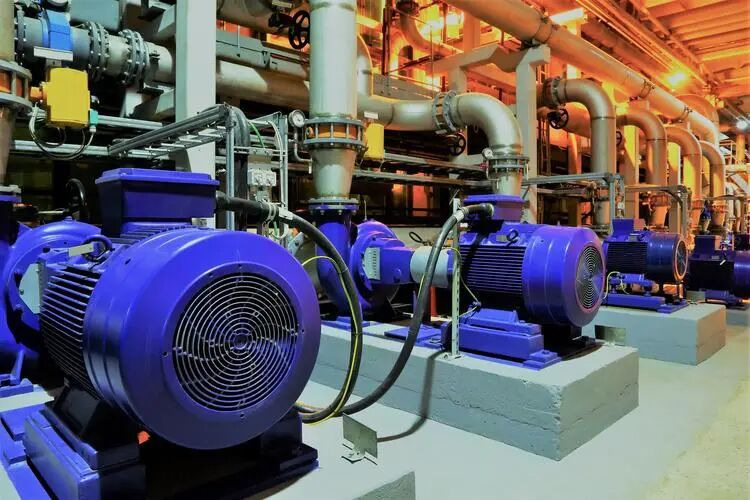
Harsh environments are often accompanied by unstable factors such as voltage fluctuations and load shocks, and three-phase asynchronous motors boast strong anti-interference capabilities. They feature large starting torque and can start stably within a voltage fluctuation range of ±10%, avoiding failure to start due to unstable power supply in harsh environments; they run at a stable speed and have low sensitivity to grid harmonics and electromagnetic interference, making them more adaptable to electromagnetic pollution in harsh environments than precision motors.
Furthermore, three-phase asynchronous motors have strong overload capacity, capable of withstanding short-term 1.5–2 times the rated load shock. They are less likely to burn out due to sudden load changes in heavy-duty conditions in harsh environments such as mining and building material crushing. This “tough and durable” operating characteristic makes them the preferred power equipment in harsh environments.
4. Low Maintenance Cost: Reducing Operation and Maintenance Difficulty in Harsh Environments
Equipment maintenance in harsh environments often faces problems such as narrow space, dangerous conditions, and difficult disassembly, while the structural characteristics of three-phase asynchronous motors greatly reduce maintenance costs.
With no vulnerable parts such as brushes and commutators, the main losses are concentrated on the stator windings and bearings. The windings adopt a sealed insulation design and are not easily damaged, and the bearings can be maintained for a long time by adding grease, with a service life of more than 10 years under normal working conditions. The maintenance process is simple and does not require complex debugging tools—only regular cleaning of dust on the shell and inspection of bearing lubrication are needed, reducing operation and maintenance workload by more than 70% compared with DC motors that require frequent brush replacement and commutator debugging.
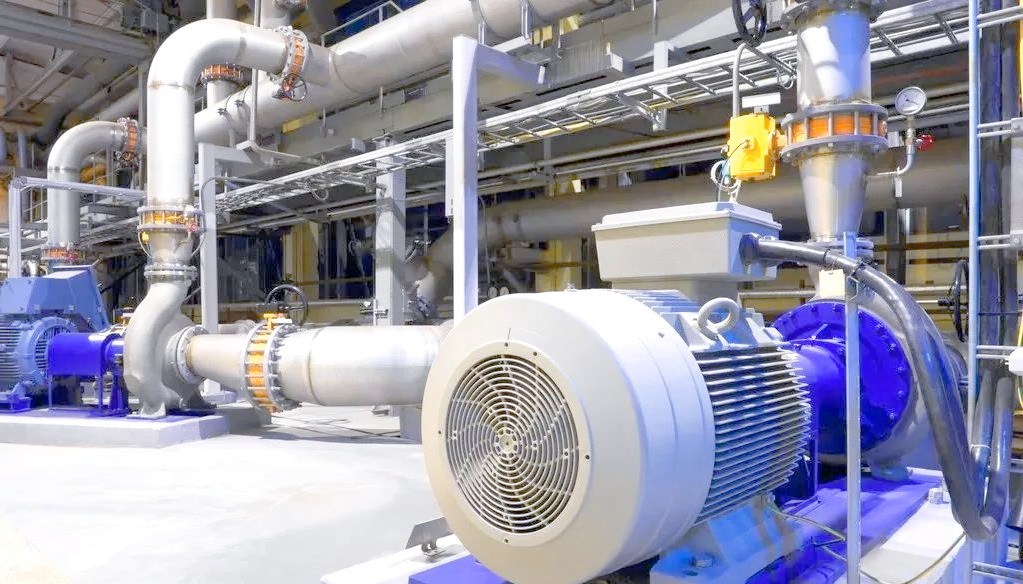
In addition, three-phase asynchronous motors have highly versatile parts and easily available spare parts. Even in remote harsh environment sites, damaged parts can be replaced quickly to minimize downtime. This low-cost, low-difficulty maintenance feature further enhances their applicability in harsh environments.
Conclusion: Perfect Integration of Technical Adaptability and Practical Needs
Three-phase asynchronous motors stand out in harsh environments because their structural design highly matches the demands of harsh environments: the minimalist structure reduces entry points for environmental erosion, the multi-layer protection system directly resists harsh factors, the stable operating characteristics adapt to instabilities in the environment, and the low maintenance cost eases operational pressure in practical applications.
From underground mines to offshore platforms, from chemical plants to high-temperature hearths, three-phase asynchronous motors have become the power cornerstone of industrial production in harsh environments with their core advantages of “reliability, durability, and easy maintenance”, which also confirms the core logic of “adaptability first” in technical design.